














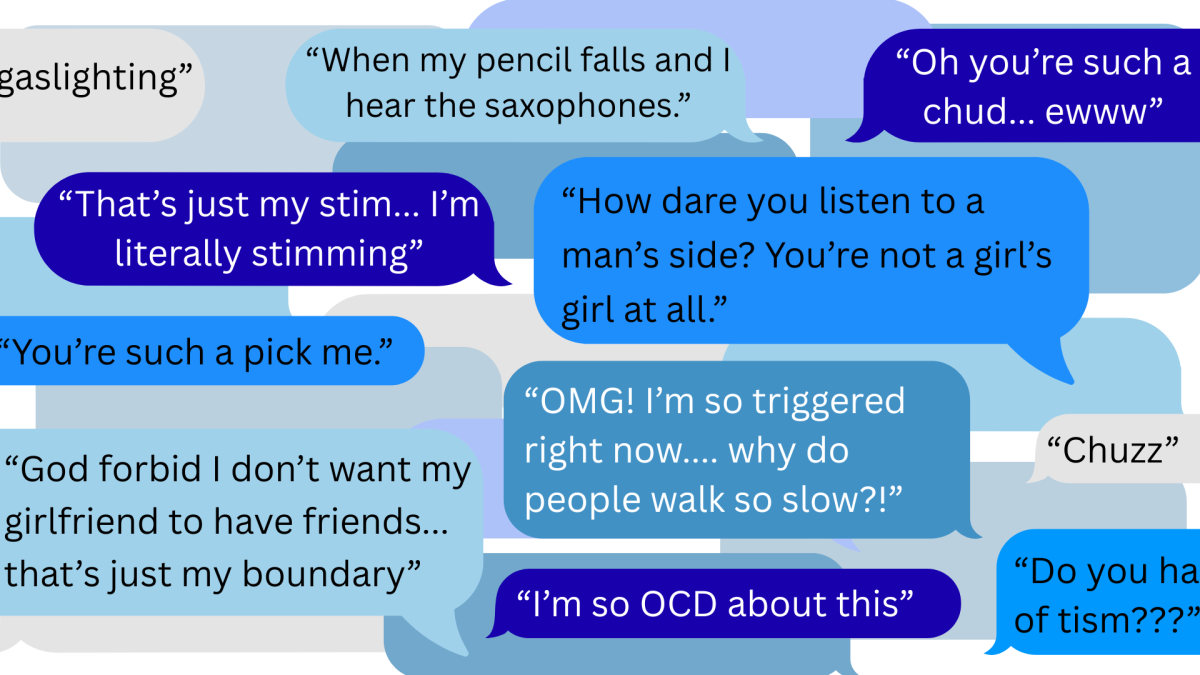
“You’re such a pick me.” Language gives power over communication. It is a tool for expression and an integral aspect of everyday life. Recently, there has been a rise in the misuse of words tied to specific communities, especially across social media platforms.
Terms like “stimming” and “triggered” have become increasingly common online, often used without understanding their original meanings. For neurodivergent people and mental health communities, that misuse can weaken the impact of language and distort its meaning over time.
For many people, social media is where they first encounter these terms. From there, the words spread quickly, regardless of whether users fully understand them. While the intent is not always malicious, the effect can still be harmful to the communities those words describe.
“Personally, I think it makes people take the words less serious[ly],” Cummins Life Coach Kristen Daugherty said. “For example, ‘I’m triggered’ is something that everyone says now, but being triggered is a very specific thing. It causes very negative thoughts. It could cause self-harm in some people.”
Language cannot simply be controlled or eliminated, and there may never be a clear solution to the misuse of terminology online. However, awareness and education can help people better understand the impact their words have on others.
The evolution of language itself is not new. Throughout history, words have shifted in meaning as culture changes. The word “terrible,” for example, originally referred to something causing terror, while today it is commonly used to describe something unpleasant.
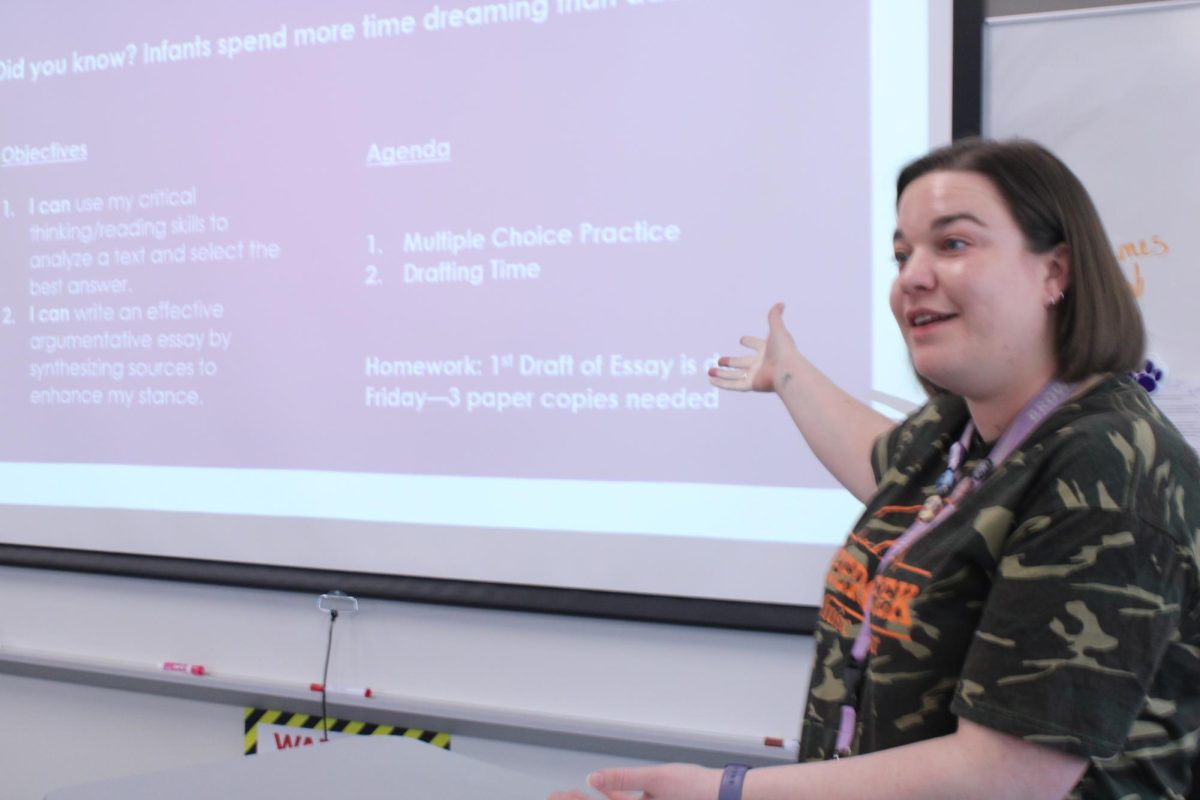
“That’s just a shift because the term has been used for so long, and language does just shift,” English teacher Katie Sciacca said. “That’s just the nature of it. Because [of] how culture works, and how language, since it is a piece of culture, works, it’s inherent in the nature of it.”
What accelerates these changes?
Social media has become a major catalyst for the rapid spread and dilution of language. Trends move quickly online, and repeated exposure can normalize terms that once carried deeper meanings. In conversations surrounding mental health, this often leads to self-diagnosis and the casual overuse of clinical language.
“I do think when it comes to mental health and social media, it is all used so widely that they have lost all meaning,” Daugherty said.
As more people repeat words without understanding the history or context behind them, the original meanings can become distorted. Terms that once described specific experiences or communities have slowly become reduced to trends, jokes or everyday slang.
“When that history and context gets removed, people don’t understand the language necessarily, and then they start using it in ways that are so divorced from the meaning that people don’t realize necessarily the impact they have,” Sciacca said.
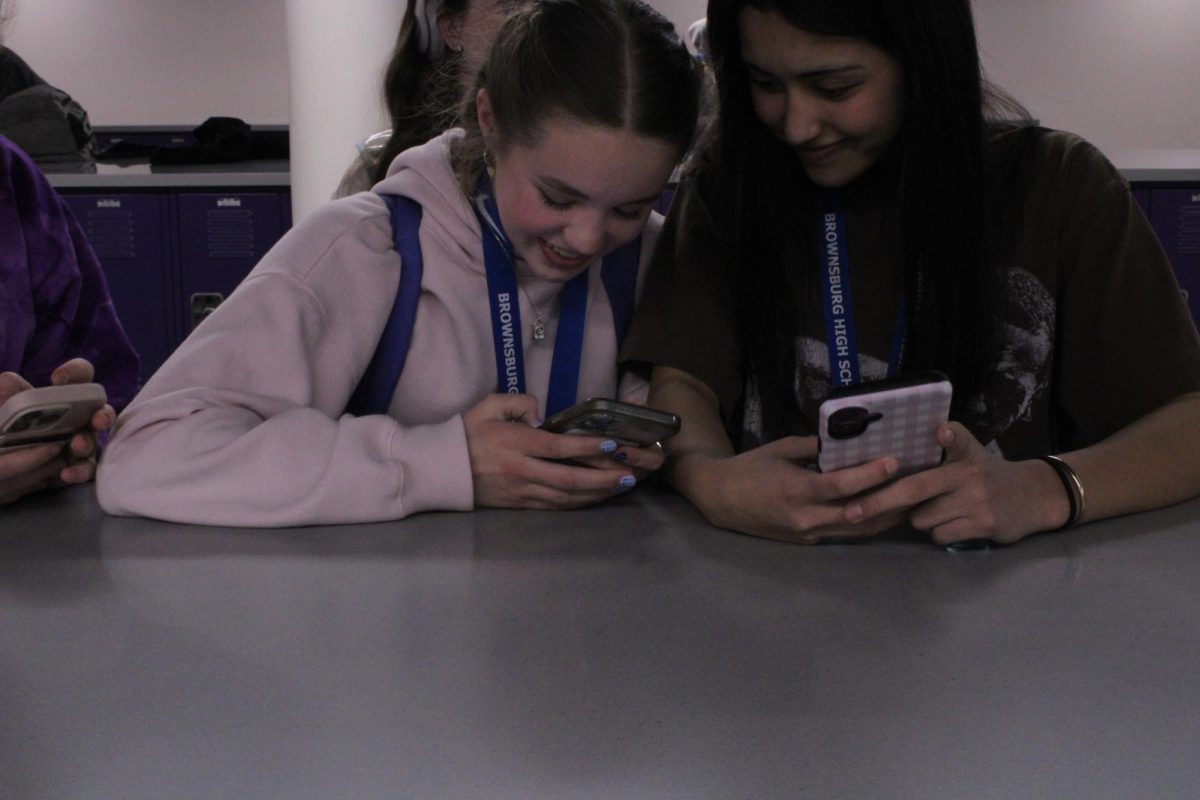
That shift becomes especially visible through modern slang and labels that dominate online spaces. Phrases like “girl’s girl” and “pick me” have spread rapidly across platforms like TikTok and Instagram, often being used differently from their original meanings.
Senior Jes Kisamba said social media users often misuse these labels after seeing only small portions of someone’s personality online.
“People just take a small clip of a person and misinterpret their character,” Kisamba said.
Originally, the term “girl’s girl” referred to a woman who supports and uplifts other women. However, online discourse has changed the phrase into something more performative and divisive, where people are quickly labeled for minor disagreements or actions.
“People think that being a girl’s girl means that you always have to be nice,” Kisamba said. “But sometimes that also means you have to be honest.”
Kisamba said the overuse of these labels online has created confusion surrounding what the words even mean anymore.
“The oversaturation of these words being used in false contexts is giving people this weird perception of what the world is,” Kisamba said.
Despite the frustration surrounding the misuse of language, Sciacca believes the issue is rooted in a desire to belong. “You want to fit in with the people around you, so it’s an easy trap to fall in,” Sciacca said.
As trends continue to spread online, many people adopt phrases simply because the people around them are using them. Over time, repetition can matter more than understanding.
“Words have meaning and impact based on history and context,” Sciacca said. “So if you remove the history and context, then you are now lessening what you’re saying.”
While there may not be a simple solution to the misuse of language online, Daugherty said awareness and education are important first steps.
“I think just bringing it up, like, ‘Oh, well, that’s what this word actually means,’” Daugherty said. “You shouldn’t use it that way.”
