






















In a study done by the National Library of Medicine, it was found that 45.4% of the students participating in the study spent one to three hours a day and 32% spent three to five hours a day on social media.
Social media has a larger effect on developing minds by being unable to regulate their emotions better, making them more vulnerable to social and emotional difficulties. The anonymity of social media allows people to feel empowered to say things they would not typically say and creates a sort of mob mentality to attack a person.
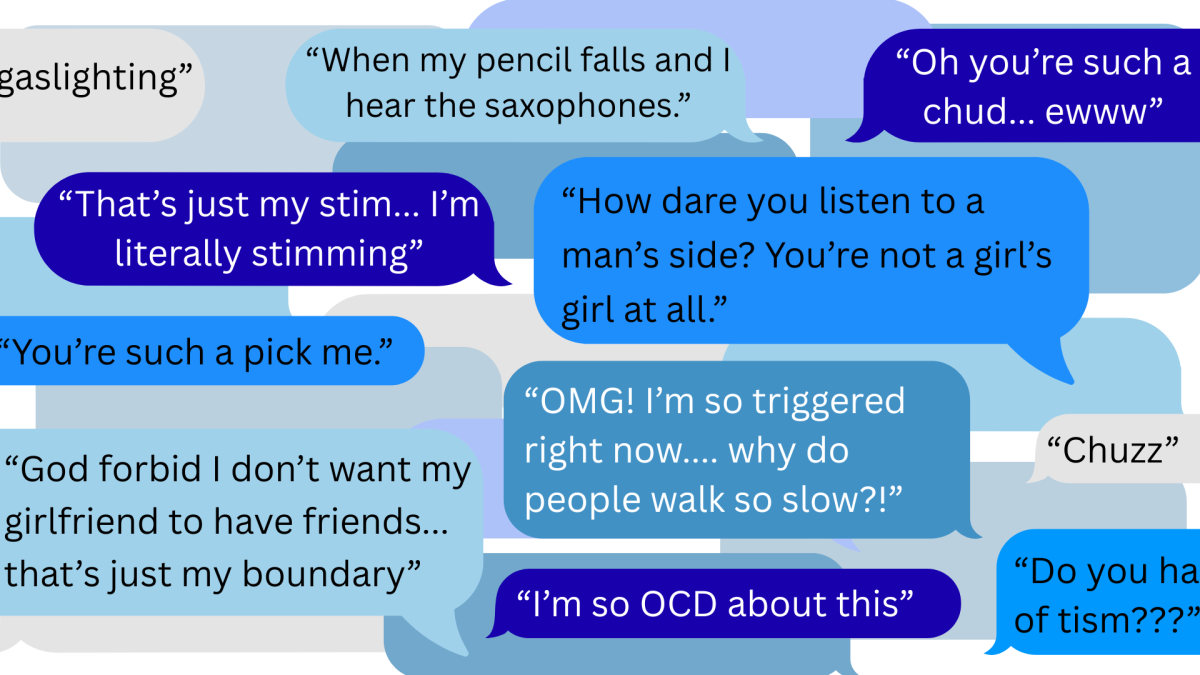
The psychologically addictive nature of social media, driven by the release of dopamine associated with notifications and new content, contributes to high screen times, which in turn provides the high-volume attention necessary for the amplification of social phenomenas like “cancel culture.”
Social media is susceptible to overuse because its design triggers stimuli that activate both positive and negative emotions within the brain, a reward cycle that maintains high engagement and can lead to addiction. Psychology teacher Mary Davidson discusses the workings of the brain, explaining the science behind phone engagement.
“The brain is made up with a reward system, and so that brain’s reward system gets activated,” Davidson said. “So, when you get on your phone, and it has to do with hormones and all that good stuff, neurotransmitters like dopamine, it literally sets off this feel-good feeling in your brain.”
Due to the release of dopamine in the mind, a happy feeling occurs and encourages people to continue scrolling, essentially creating a loop.
In the medical journal article “The impact of the digital revolution on human brain and behavior: where do we stand?” Martin Korte discusses the impact of digital usage on changing human behavior.
“[Brain imaging] specifically shows that intensive interactions with social media can be correlated to gray-matter alteration of brain areas involved in addictive behavior,” Korte wrote.
Social media helps people stay connected with friends, share information and photos online. This sense of belonging keeps teens connected to social media.
“Social media is there for connections, and so if you can find it’s designed for you to find groups, that make a connection,” Davidson said. “Then you’re going to feel welcome, you’re going to feel heard, and you’re going to continue to go back.”
Despite the positive connectivity that social media provides, there are some negatives, including harmful speech. The anonymity of social media empowers people to speak in ways they would typically not.
“Social media might have a profound effect on the adolescent brain due to the fact they allow adolescents to interact with many peers at once without meeting them directly. And indeed, published data indicate a different mode of processing emotions in adolescents, which is highly correlated to the intensity of social media use,” Korte wrote.
This boldness helps people to “call out” others. Calling out or canceling a person is the process of withdrawing public support for a public figure or organization after they have done something “wrong.”
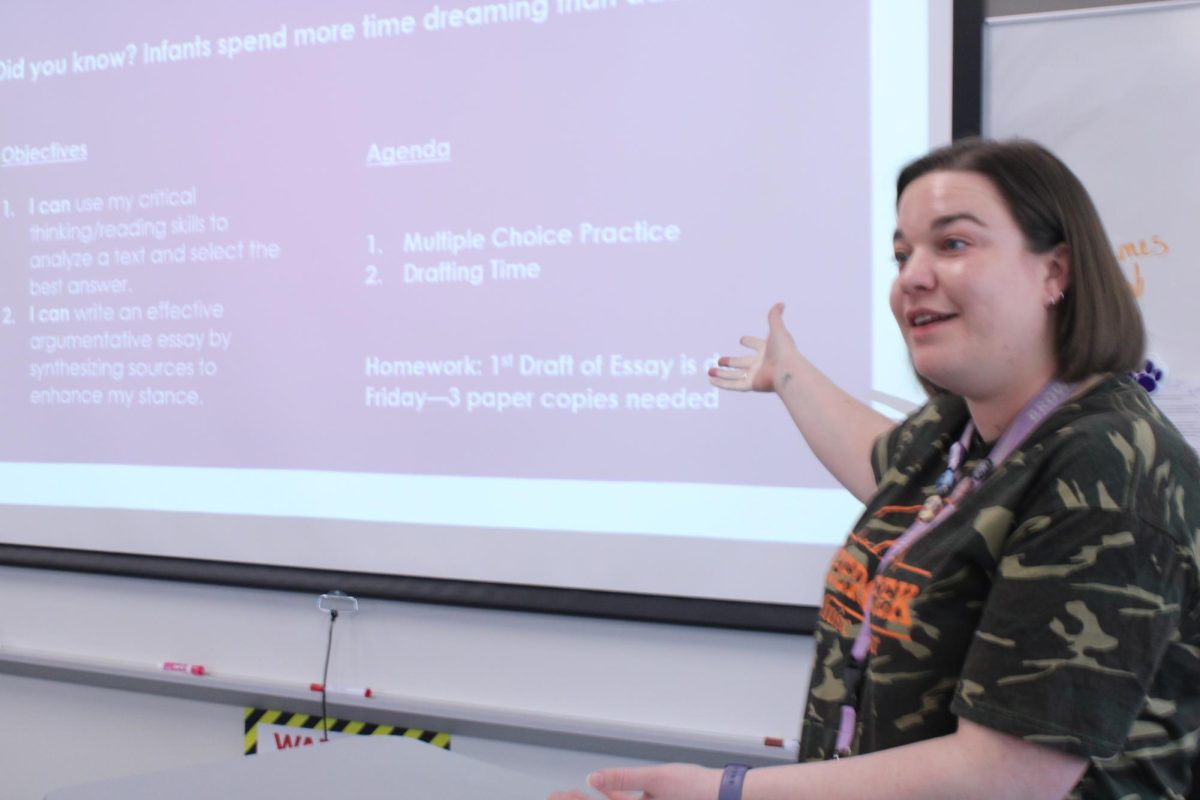
However, the text, “Calling in Instead of Calling Out,” explores the thought process behind calling out people; it is read and discussed in Chuck Summers’ AP Language and Composition class.
“[The author] found that the way that those discussions would take form on social media were potentially concerning … and wanted to make sure that a student did not feel afraid to engage honestly with those discussions because they would be called out later by a classmate,” Summers said.
Calling out or canceling people can have their positives and negatives. It helps to hold people accountable for their actions that have hurt others. But this can often be taken too far, and then begins an internet tirade as a mob mentality forms.
“So, I think a lot of times when somebody is calling someone else out online, it is really less about trying to challenge that person, and it’s more a matter of like reestablishing what the call outer believes,” Summers said.