





















The internet can be a cesspool of information, which can be both good and bad. But in the case for Tutnese, the internet’s interest in the language has given it a new life. Author Gloria McIlwain, who has extensively written and studied Tutnese, states that Tutnese is a secret method of reading and communication developed by enslaved Black Americans. This secret language, which was primarily used to teach spelling and reading in covert ways, is now being taught more widely as people rediscover this language on social media.

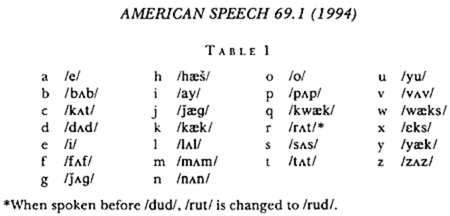
Tutnese emerged in the 19th century as a creative response to the oppressive environment faced by enslaved people in the United States. Enslaved individuals developed this method to communicate secretly, using a combination of phonetic spelling and language structures to fly under the radar of their enslavers. By creating a system, it allowed them to teach each other literacy skills. The words are meant to sound distinctly English, but they have one major difference: every letter in the tut alphabet has its own distinct sound.
The revival of Tutnese began gaining momentum in the early 2020s when educators and cultural historians took to social media platforms like Tik Tok and Instagram to enable the sharing of resources like stories and educational content related to Tutnese.
The Tutnese revival has fostered a community of learners, educators and historians who want to preserve this aspect of Black history. Online groups and forums have also emerged, allowing members to share their learning experiences, discuss the language’s historical context and even collaborate on creative projects that incorporate Tutnese.
Linguists and historians have praised the revival of Tutnese as an important step toward recognizing and understanding Black cultural heritage. Although some TikTok and Facebook users are vehemently against the publicization of the language, citing that Tutnese is a language only made for African Americans and that an online revival is something that could potentially become an issue as the language’s secret nature becomes less and less secret.
The revival of Tutnese through social media serves as a step forward as Black Americans discover more about their heritage and stories hidden within the Black community. Black Americans are not only reconnecting with their heritage but also educating others about the importance of literacy and cultural expression.
