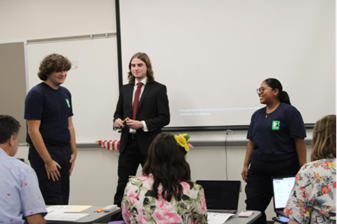











To graduate, a BHS student must take a communications class. Previously speech was the only option, but now two other classes have been classified as communications courses, Journalism and Dual Credit Speech. This essentially means that speech is no longer a required class. Teens are in their most anxious and self-conscious phase of their lives. If they are not challenged to take speech during their sophomore year, they will not take the initiative themselves. Who wants to do something challenging when they literally don’t have to?
According to EBSCO, a database for research and academic journals, across all age groups, estimates suggests that around 20 percent of the U.S. population experiences stage fright or anxiety when performing or appearing in public. Due to the stressful nature of public speaking, many try to avoid it at all costs, leaving them unable to get over their anxiety or improve their public speaking skills. I have always been fond of public speaking, and taking speech developed my confidence so much. I believe the same can happen for other students.
Previously, students needed to take one semester of speech as a graduation requirement. Students are now given three classes to pick from as opposed to only having one option.
Despite journalism being great on its own, it does not replace or replicate the skills taught to students. Taking Dual Credit Speech before regular speech will also be a huge hurdle, as many of the skills used in the class are not going to be taught to students beforehand Regular speech sets out the groundwork for Dual Credit Speech.
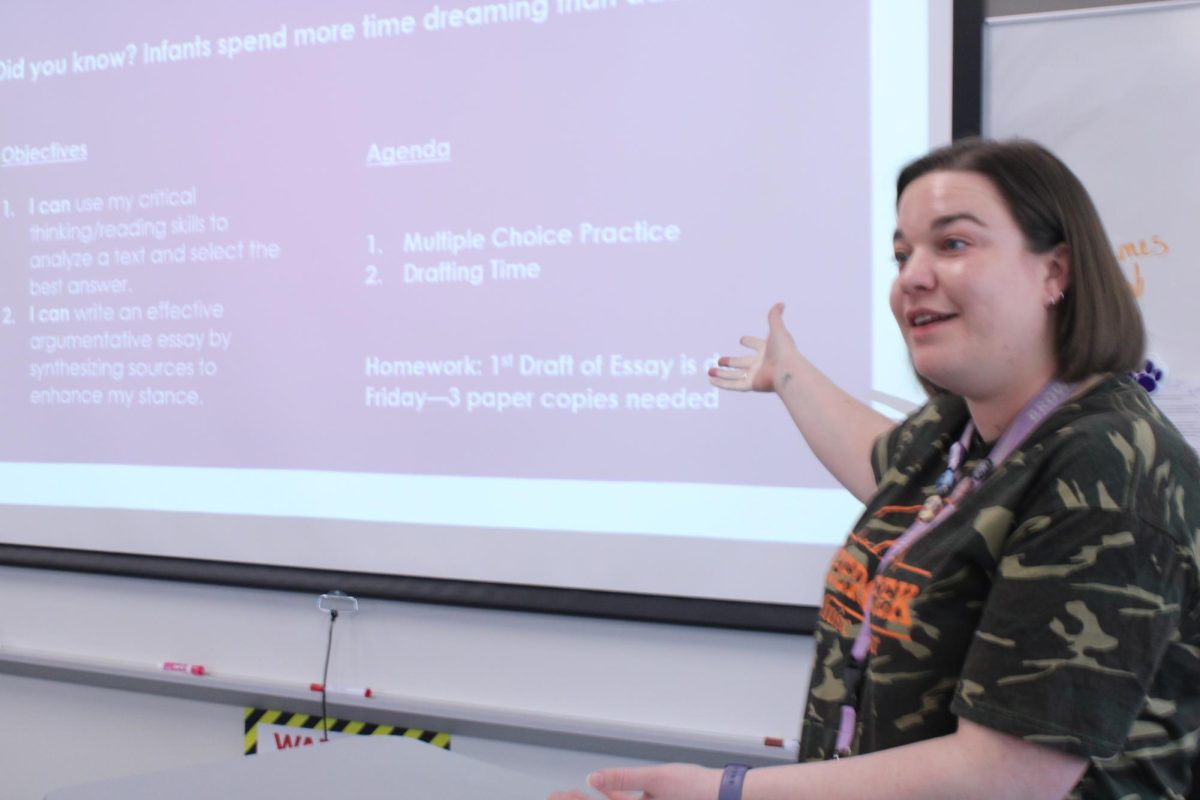
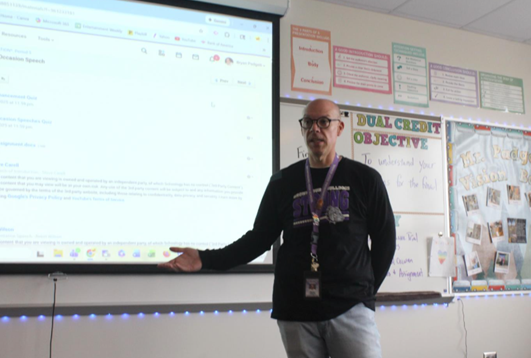
“[Journalism] is a different style of communication that is used,” Speech teaching Bryan Padgett said. “And if you know you want to work in a world that focuses on written communication, I think journalism is a great way to hone those skills. We write a lot, obviously in speech, but then obviously have to say it out loud.”
If written communication is going to be more applicable to one’s work later in life, it still would not be harmful to take a speech class as you can develop an extra set of skills. Speech not only develops public speaking skills; it builds other great life skills.
“The [skills] we do now are about building resumes and interviewing for a job, I think those are all good things, especially since a lot of kids are wanting to get jobs in high school; that’s an essential skill,” Padgett said.
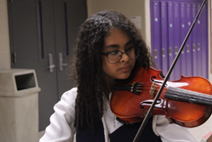
Many students, after taking speech, express some sort of gratitude with getting over it and feel at least a little more confident in regard to public speaking. Junior Opeoluwa Akinyuwa, expresses the same sentiment and now has continued to take Dual Credit Speech to continue to improve her skills.
“If I’m being honest, I probably would not [have taken speech if it were not required] I don’t like public speaking. But I’m glad it was a requirement as it pushed me to get out of my comfort zone,” Akinyuwa said.
Despite the tempting option to just fully avoid taking speech, it helps to develop one’s public speaking skills at an early age. Communication, teamwork, persuasion and confidence are just some of the skills developed in speech class. These skills are exclusive to speech classes and help students feel more prepared for life outside of high school. So, I would like to implore more people to challenge themselves and maybe find a passion for public speaking.
“Everyone is looking for better speakers and better communicators. And I think that’s the thing. I want people to just be better communicators, whether that’s in writing or whether that’s speaking,” Padgett said.