





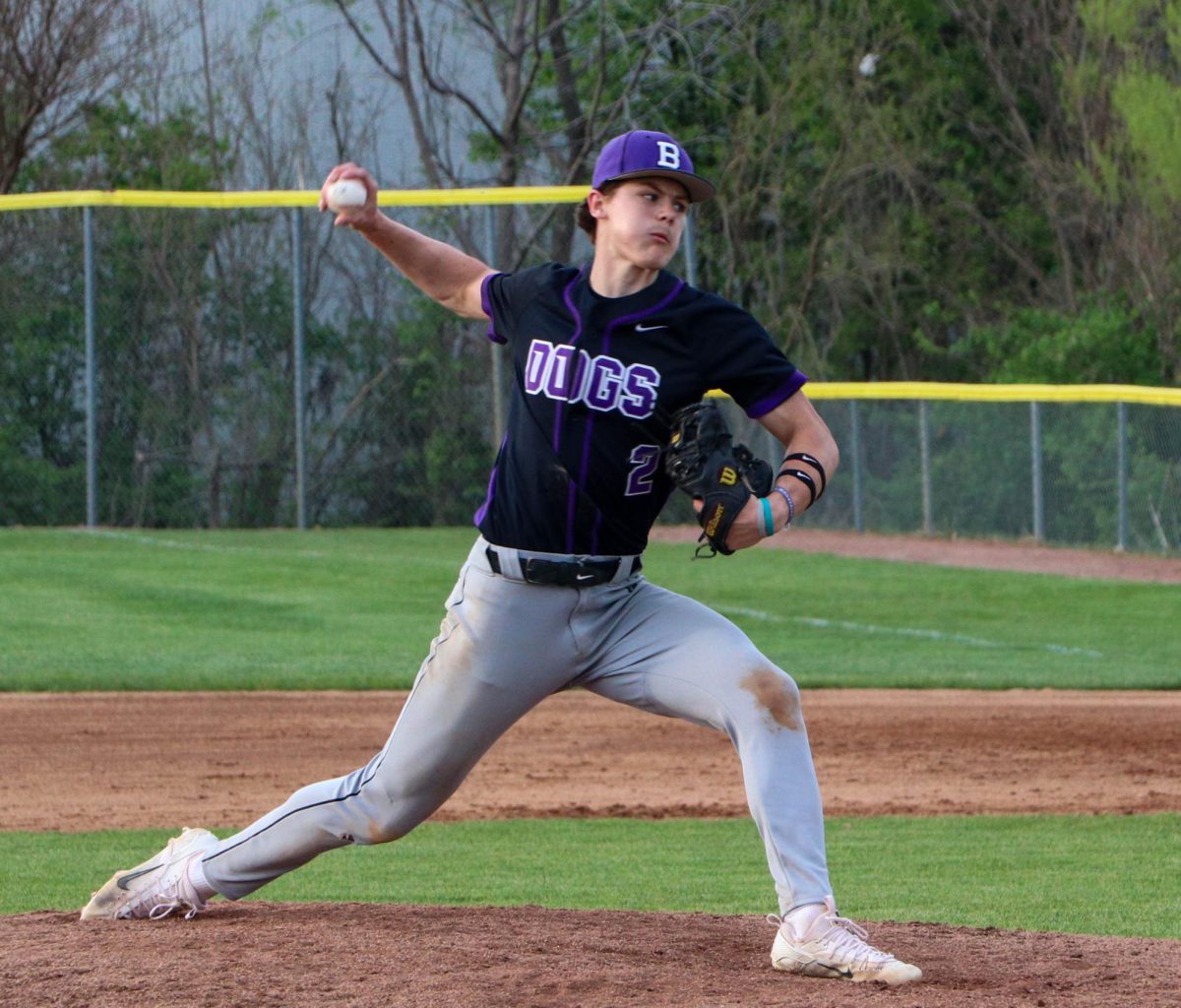







The end of a student’s high school career usually means the beginning of a new chapter, whether that’s college, a job or even a trade school. For student-athletes who want to continue playing, however, the college application process is often even more extensive and difficult.
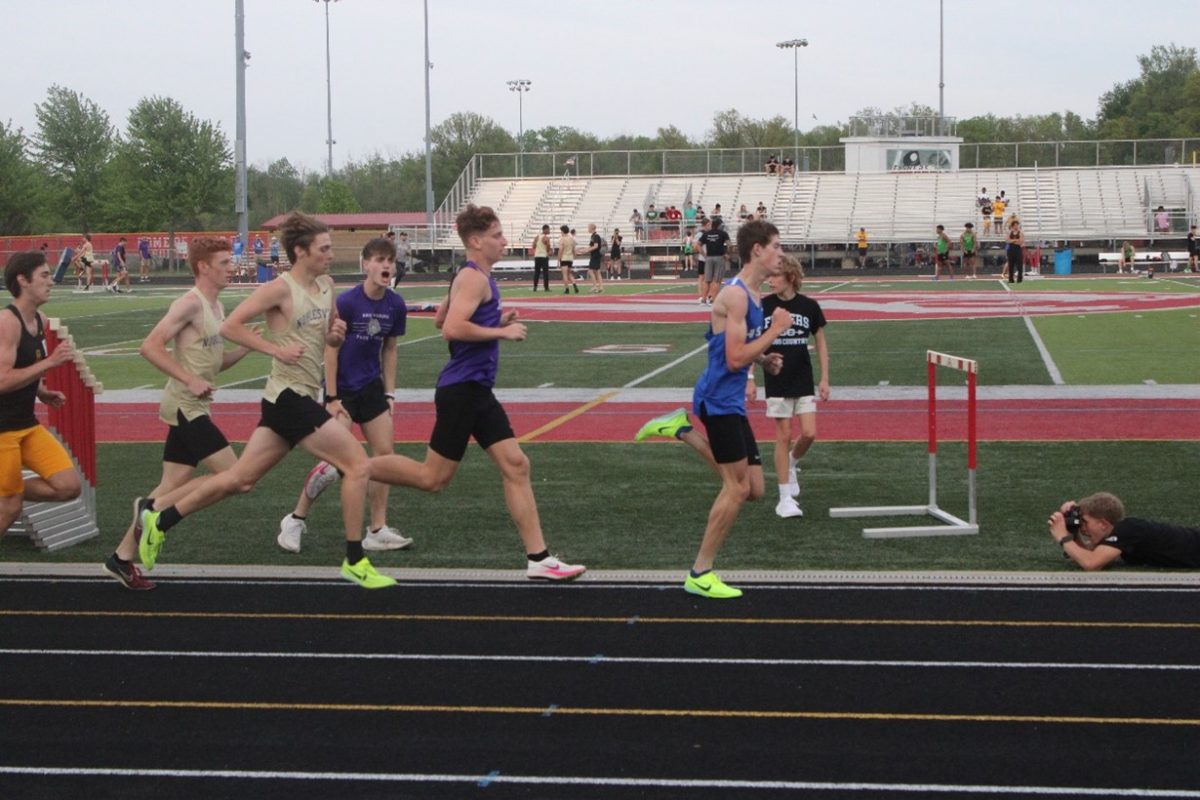
Senior Elijah Balbach knew that the pressure was on when he decided to pursue track and cross country in college. Now committed to Marian University, he had to learn to make his face stand out in a crowd.
“You never try and wait for other coaches to come to you, because there’s so many athletes that are around the country,” Balbach said. “So for you to reach out to them definitely makes a bigger impact and a higher chance that they actually respond.”
No matter the direction Balbach chose, he knew there would be uncertainty along the way. Following lots of emails, tours and rejections, he, like many high school athletes, did not always know where he would end up. Despite this, Balbach knew he would find the right team.
“There’s definitely a lot of hardships, like, you know, getting rejected by coaches or saying you’re not good enough, just like those kind of things, where you want to go there and you want to go there so badly, but then you’re just not capable of it,” Balbach said. “But there’s always positives, because no matter who you apply to, no matter who you reach out to, there’s always going to be a team that you’re going to find and you’re going to love and they’ll love you back as well.”
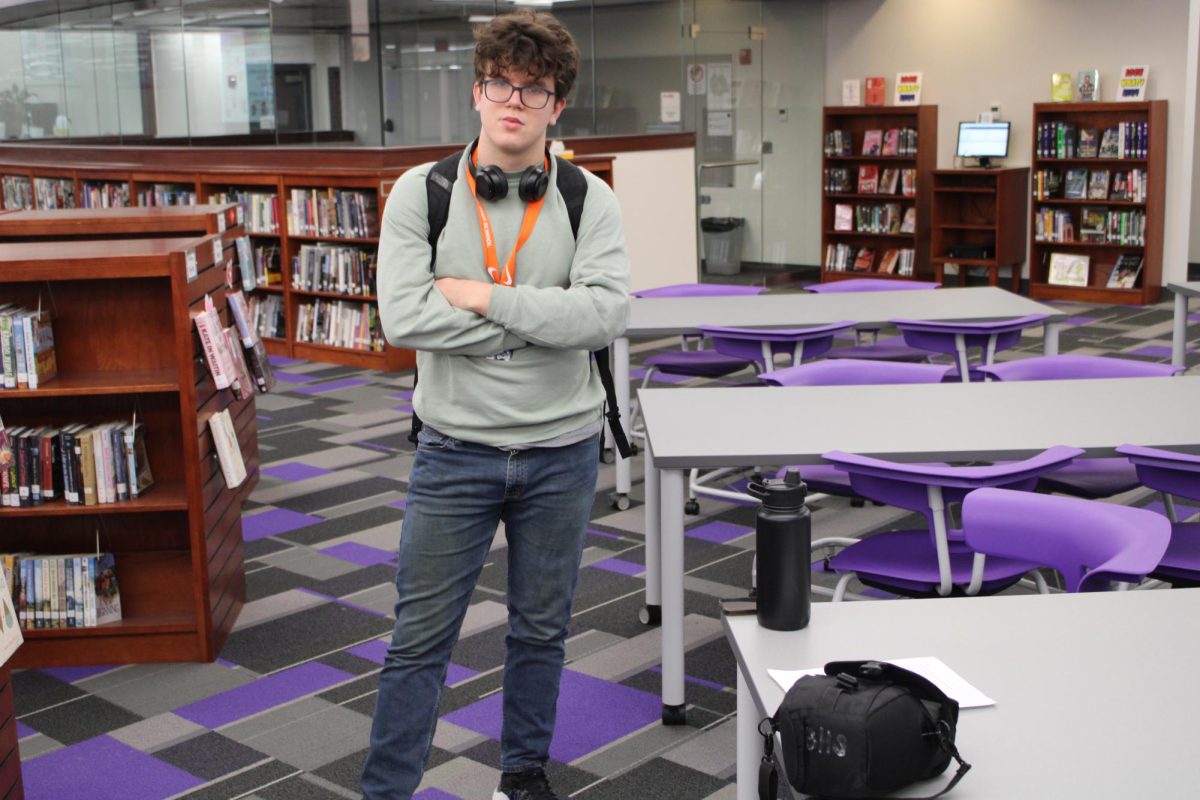
For students like Balbach, pursuing collegiate sports is the driving priority. However, this is a luxury not all student-athletes can afford. Senior Toluwanimi Ajewole, a standout in shot put and discus, must prioritize other factors, despite how much he loves the sport.
“I mean, it’s something that I definitely keep in the back of my mind, because there’s an option that I could go that route,” Ajewole said. “But I think, like, for me, academics are still the most priority.”
Even though Ajewole remains uncertain about playing collegiately, he knows the discipline and hard work learned in shot put and discus will leave an impression that lasts a lifetime. These certain lessons, he believes, are crucial when facing the kind of change college brings.
“I think it’s like helping your mental [state] and your mindset of: okay, today might not work. Let’s see what didn’t work,” Ajewole said. “How can I adjust that for tomorrow? I can adjust that for the best. And I think in life, something like that too is very important.”
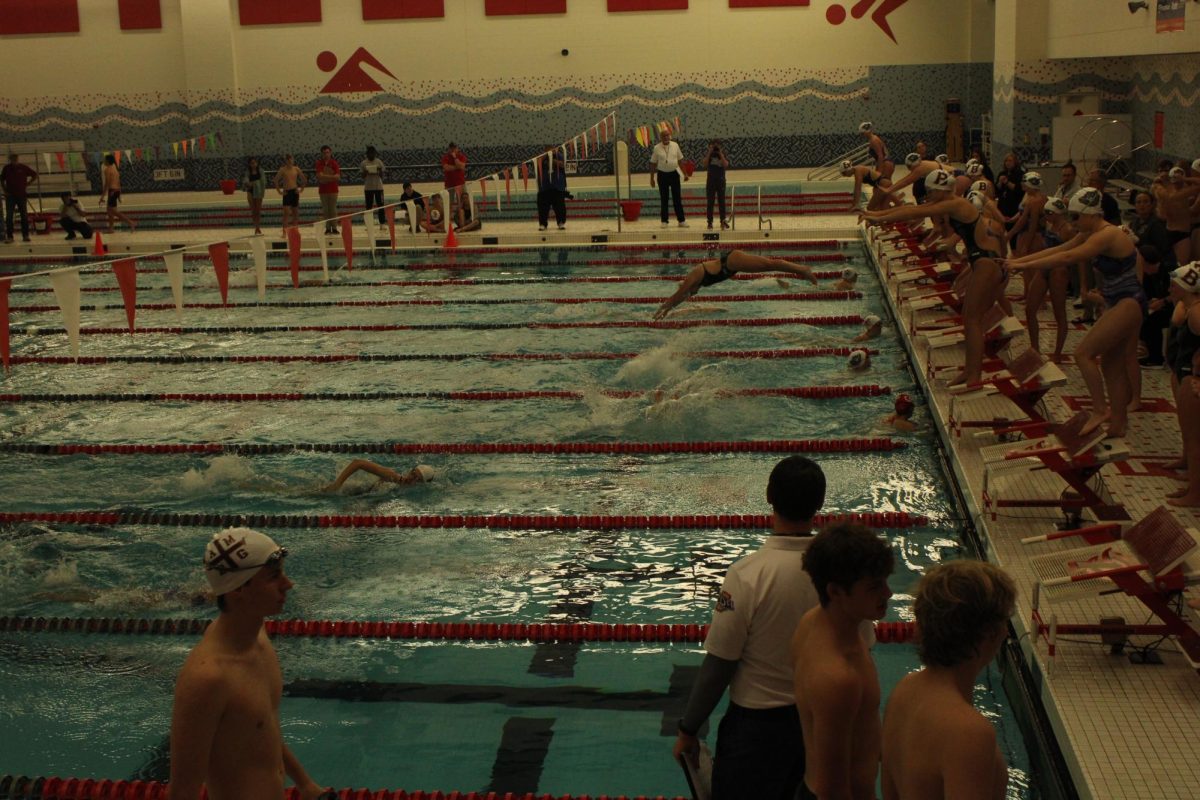
There are so many different paths for student athletes, so their support system is a vital part of this process. In this case, that reliance often means turning to coaches like swim coach Matt Elliott, who always encourages his swimmers to keep swimming.
“So, I think it’s just really exciting for not only swimmers to go to college,” Elliott said. “But their teammates to see that their people are moving on and their coaches to see that they’re continuing this thing that we’ve helped them do for a long time.”
A coach bears witness to every step of the college application process, including all of the challenges. Elliott has seen his fair share of changes and challenges as his students grow and move on.
“It’s just kind of a tough scene, especially in Olympic sports, where development is so important,” Elliott said. “More opportunities for other schools to pick up some really talented people. But I also think it kind of waters down the product a little bit.”
The world of college sports can be an uncertain one, especially for those who don’t even know where to start. But no matter what path is chosen, playing a sport in college takes determination and grit.
“Start early, start sending out emails early, and never stop,” Balbach said. “Because the best thing to do is be petty, because once you get a coach’s attention and keep it there, then you’ll have a high chance of actually talking with them.”
